Interview

Browse Testimonials

Interview Feature: Dwell Design Studio Architects on Ceraclad
What Dwell Design Studio values about Ceraclad.
By KMEW Japan
Interview with Dwell Design Studio
— Exterior Design Trends and Expectations for Ceraclad —
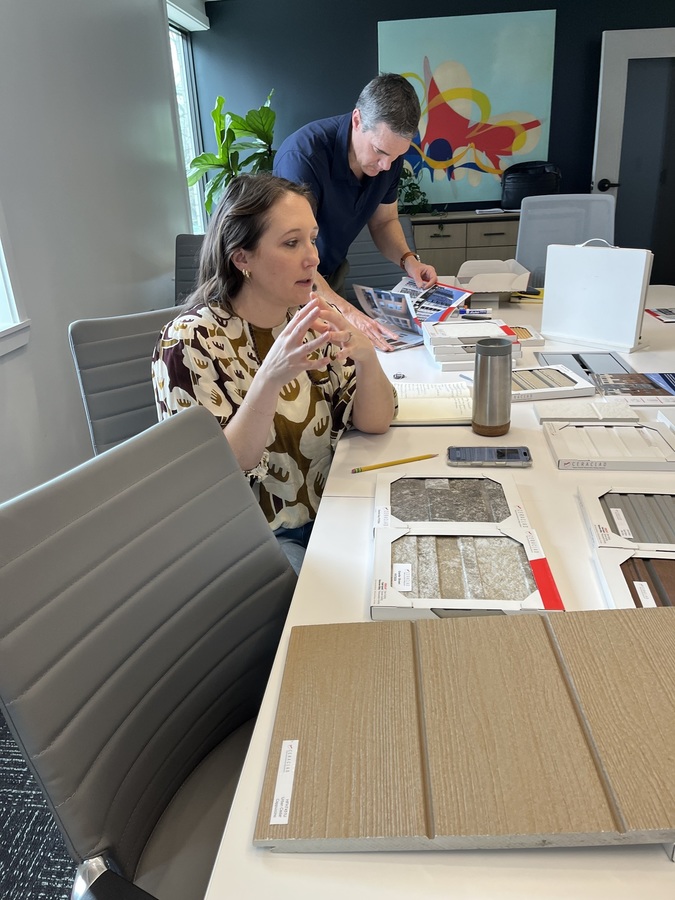
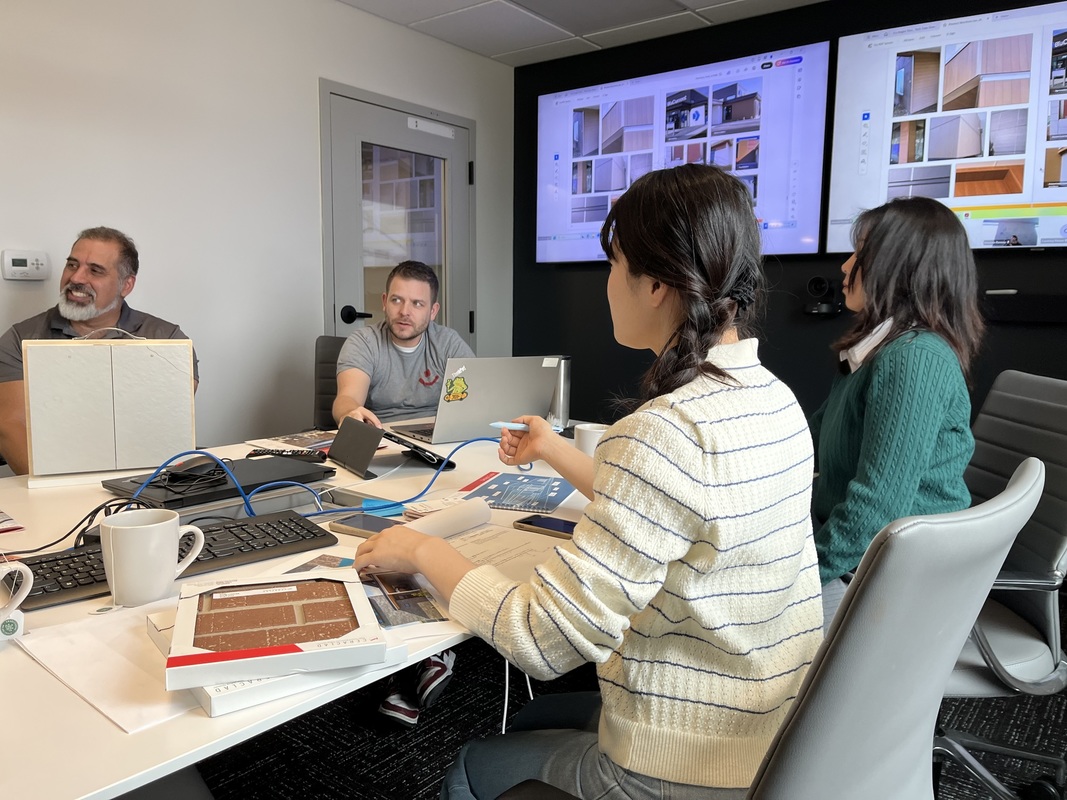
Ceraclad values the insights of architects who work directly with exterior materials on real projects. We interviewed architects at Dwell Design Studio, a firm known for student housing and mixed-use developments. They shared their impressions of Ceraclad and current needs in exterior design. These are our findings on things that Dwells values in our product.
1. Strong Trust in Factory Finish
The architects praised Ceraclad’s factory finish for its consistency and reliability. It shows very little color variation and is unaffected by weather or site conditions, allowing large façades to maintain a clean and uniform appearance. They noted that this makes Ceraclad “easy to recommend to clients,” reinforcing its reliability as an exterior material.
2. Regional Differences in Exterior Design
The interview also highlighted how design preferences vary by region. In Washington, D.C., architects tend to prefer clean, modern façades, with long-format bricks and precise, aligned joint patterns. In contrast, in Virginia and North Carolina, architects favor natural variation. Blended tones of red, white, and orange create a “weathered brick” look that complements the character of many Southern projects. Ceraclad’s Rustic Wood series performs well in these markets for that reason.
3. Demand for Greater“Pattern × Color” Variety
A key takeaway was the desire for more variation in pattern and color combinations. While Ceraclad already offers flexible custom color options, architects are seeking richer visual expressions, particularly for brick patterns. Rather than single-tone finishes, they prefer multi-color blends incorporating white, red, orange, and gray, along with details such as firing marks, white haze, and natural variation. These elements contribute to more realistic, aged-brick textures and represent an important direction for expanding Ceraclad’s standard offerings.
4. Cashmere Smooth and the Need for a Flatter Finish
The architects also discussed flat textures. Ceraclad’s Cashmere Smooth finish received positive feedback for its soft, shallow texture, which diffuses light and creates a calm, refined appearance. At the same time, they noted that some projects require an even flatter surface. Flatter panels support sharper, more modern façades, allow solid colors to read more clearly, and provide a cleaner surface for graphics and signage. Reduced texture also minimizes shadowing and enhances visual uniformity. While flatter panels may reveal scratches or substrate irregularities more easily, the architects identified clear use cases where a smoother finish is desirable.
5. Wood-Look Textures Already Well Received
Architects expressed strong confidence in Ceraclad’s wood-look products. The Rustic Wood series is particularly popular in Southern markets, where its natural variation adds warmth and depth to façades. Urban Cedar, with its cleaner and more contemporary grain, is well suited to urban applications. Overall, Ceraclad’s wood textures are viewed as a key strength of the product line.
6. Increasing Design Flexibility Through Panel Size
Panel size was another topic of discussion. While Ceraclad’s current module offers advantages in installation and performance, some projects would benefit from larger panel formats. Larger panels can reduce visible joints and create a more monolithic façade. Expanded size options would also provide greater flexibility in joint layout and support more contemporary exterior expressions.